News
GBS at P-TEC in Warsaw: The delivery of strategic infrastructure projects threatened by stringent european regulations and tariffs
Ensuring energy connectivity, streamlining burdensome administrative procedures and eliminating misguided protectionist regulations are essential prerequisites for delivering strategic projects on time and within budget. These were the key topics addressed during the Seventh Ministerial Meeting of the Partnership for Transatlantic Energy Cooperation (P-TEC), held in Warsaw.
The Bulgarian construction company Glavbolgarstroy (GBS) took an active part in the global energy forum, one of the most significant annual events, jointly organised by the U.S. Department of Energy and Poland’s Ministry of Energy. The forum brought together representatives of the U.S. administration, energy ministers from Central and Eastern Europe, and senior executives from leading global companies in the energy and technology sectors, including Venture Global, General Electric Vernova, Westinghouse, Fluor Corporation, Bechtel and others.
The forum was officially opened by U.S. Secretary of Energy Chris Wright, who highlighted the importance of long-term energy partnerships between the United States and the countries of Central and Southeastern Europe. He emphasised the need to ensure reliable energy supplies for the European continent by continuing to develop gas transmission infrastructure to strengthen connectivity and increase transmission capacity, as well as by advancing nuclear energy.
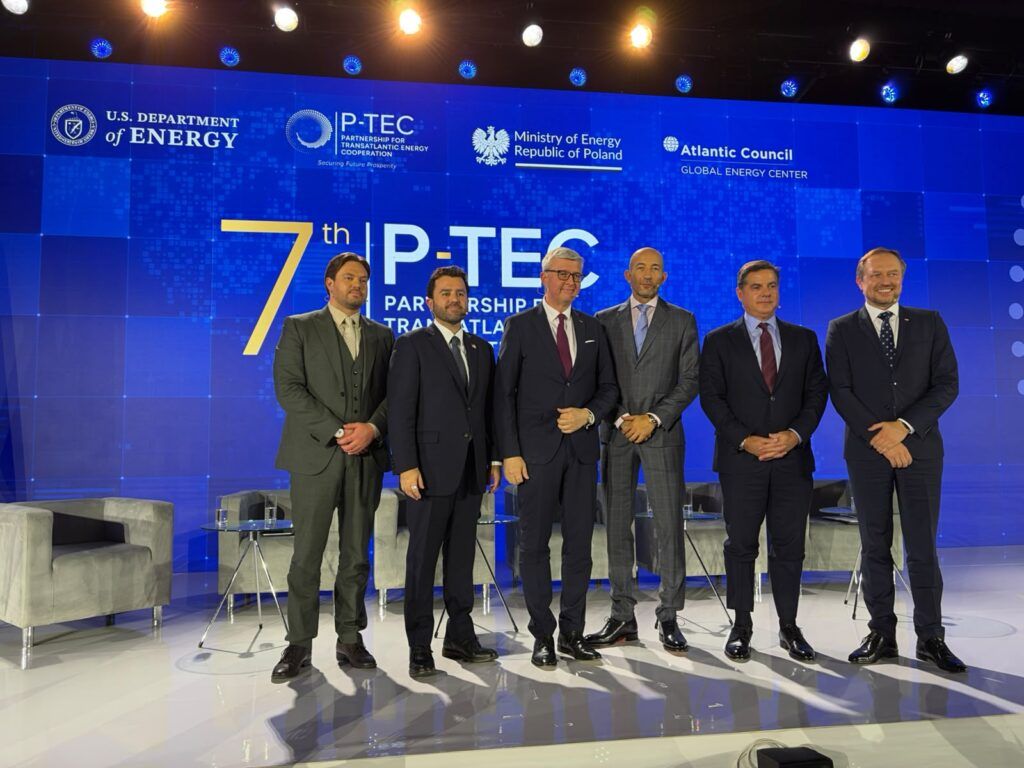
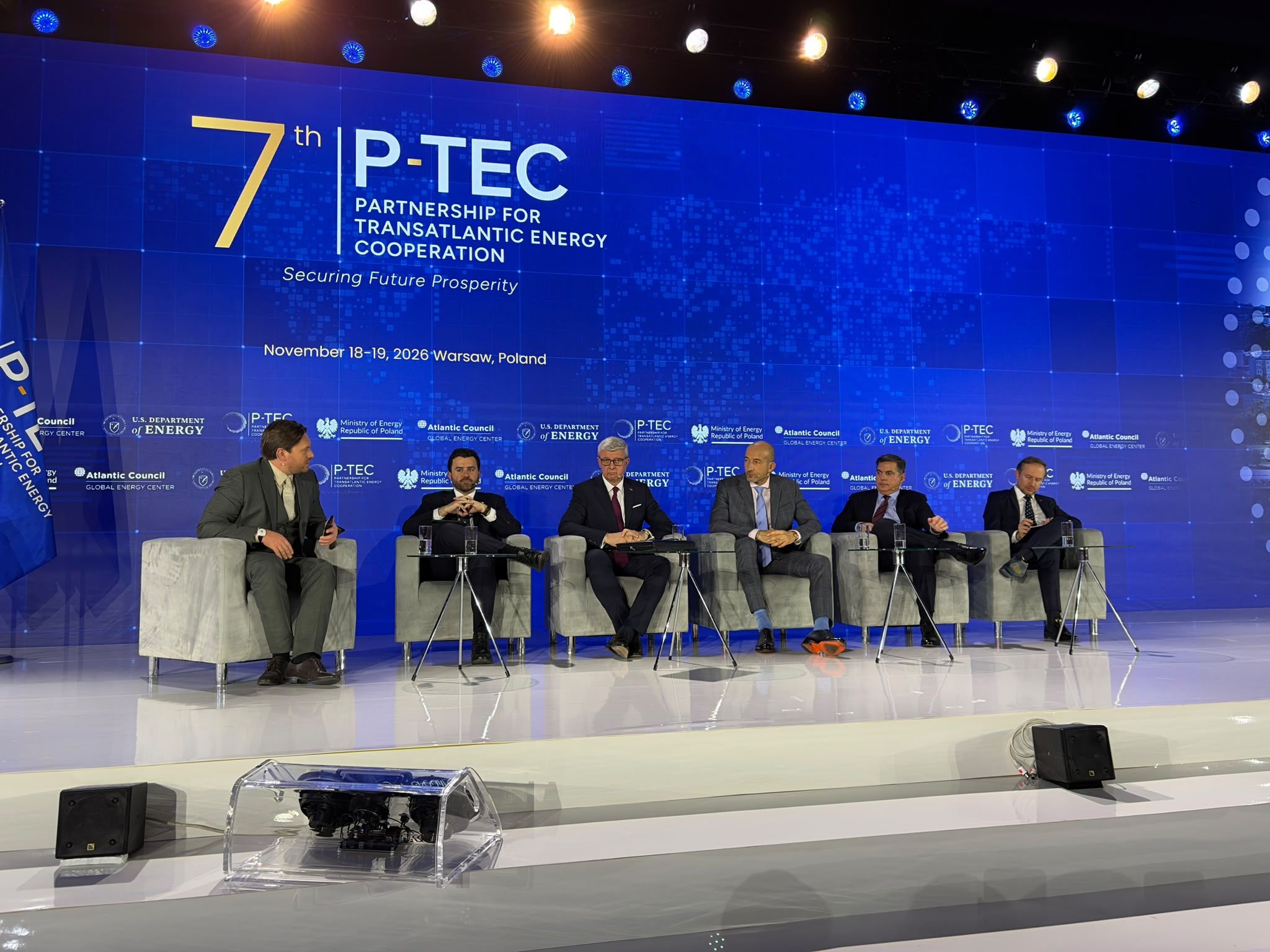
Kaveh Farzad, Deputy Assistant Secretary at the U.S. Department of Energy; Karel Havlíček, Deputy Prime Minister and Minister of Industry and Trade of the Czech Republic; Kalin Peshov, Chairman of the Management Board of Glavbolgarstroy; Mike Sabel, CEO and Co-Founder of Venture Global; and Wojciech Wrochna, Secretary of State for Strategic Energy Infrastructure at Poland’s Ministry of Energy, took part in an expert panel focused on U.S. liquefied natural gas (LNG) and the strategic partnership between the United States and Europe.
The discussion focused on the transition from crisis-driven supply security mechanisms towards building long-term partnerships. It also highlighted the need for key investments to accelerate the implementation of infrastructure projects critical to the security of Central and Southeastern European countries.
During the forum discussions, Kalin Peshov, Chairman of the Management Board of Glavbolgarstroy, spoke openly about the challenges facing the construction sector in delivering strategic energy and transport corridors across the region. For decades, the construction holding company has been actively involved in developing key gas transmission routes, interconnectors and transport corridors. Recognising the urgent need for this infrastructure, the company has frequently completed construction works ahead of schedule.
As an example, Peshov pointed to Glavbolgarstroy’s work on the recently completed Bulgarian section of the Vertical Gas Corridor, where the company delivered the entire process under an EPC model, encompassing engineering, procurement and construction.
“We made tremendous efforts to shorten delivery times, secure the necessary supplies and optimise construction activities in exceptionally challenging terrain. However, implementing similar projects in the future will be even more difficult,” he noted.
According to Peshov, European regulations and administrative burdens are effectively bringing ongoing energy and transport connectivity projects to a standstill, threatening their completion on time and within allocated budgets.
“Europe’s protectionist policies and the imposition of excessive tariffs on imports of essential construction materials from third countries will increase our costs by 50%. In practice, we are facing difficulties in carrying out our work because we are being required to protect manufacturing industries in Europe that, at present, simply do not exist.”
In this regard, he directly criticised the recently introduced EU Steel Regulation, under which import quotas for products from third countries have been reduced a hundredfold.
“If we can build the necessary infrastructure in the shortest possible time, we will enable faster LNG deliveries at more competitive prices, ensuring affordable energy for consumers, businesses and industry alike. The price of natural gas in Europe today is almost ten times higher than in the United States,” Peshov pointed out.
During the discussion, Venture Global CEO Mike Sabel emphasised the strategic importance of long-term liquefied natural gas (LNG) supply agreements for the energy security and competitiveness of EU countries. According to him, contracts with terms of 10 to 20 years are essential for attracting investment in the construction of gas transmission networks and regasification terminals.
For his part, U.S. Deputy Assistant Secretary of Energy Kaveh Farzad highlighted infrastructure and regulatory constraints on transporting LNG to end consumers as one of the main challenges to expanding supplies to Europe. Farzad stressed that the development of gas corridors and interconnectors in Central and Southeastern Europe remains a priority, including the further expansion of the Vertical Gas Corridor.
Since the beginning of the year, U.S. gas has accounted for 59% of total LNG imports into Europe, with export volumes expected to more than double by the beginning of 2030.
Photo caption (left to right): Speakers: Kaveh Farzad, Deputy Assistant Secretary, U.S. Department of Energy; Karel Havlíček, Deputy Prime Minister and Minister of Industry and Trade of the Czech Republic; Kalin Peshov, Chairman of the Management Board of Glavbolgarstroy; Mike Sabel, CEO and Co-Founder of Venture Global; and Wojciech Wrochna, Secretary of State for Strategic Energy Infrastructure of Poland.